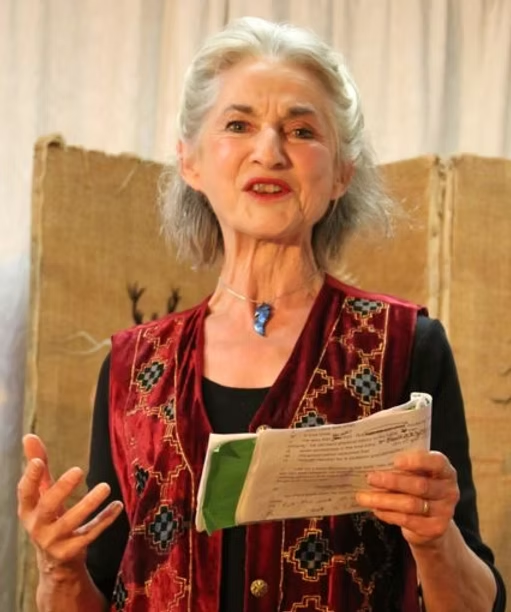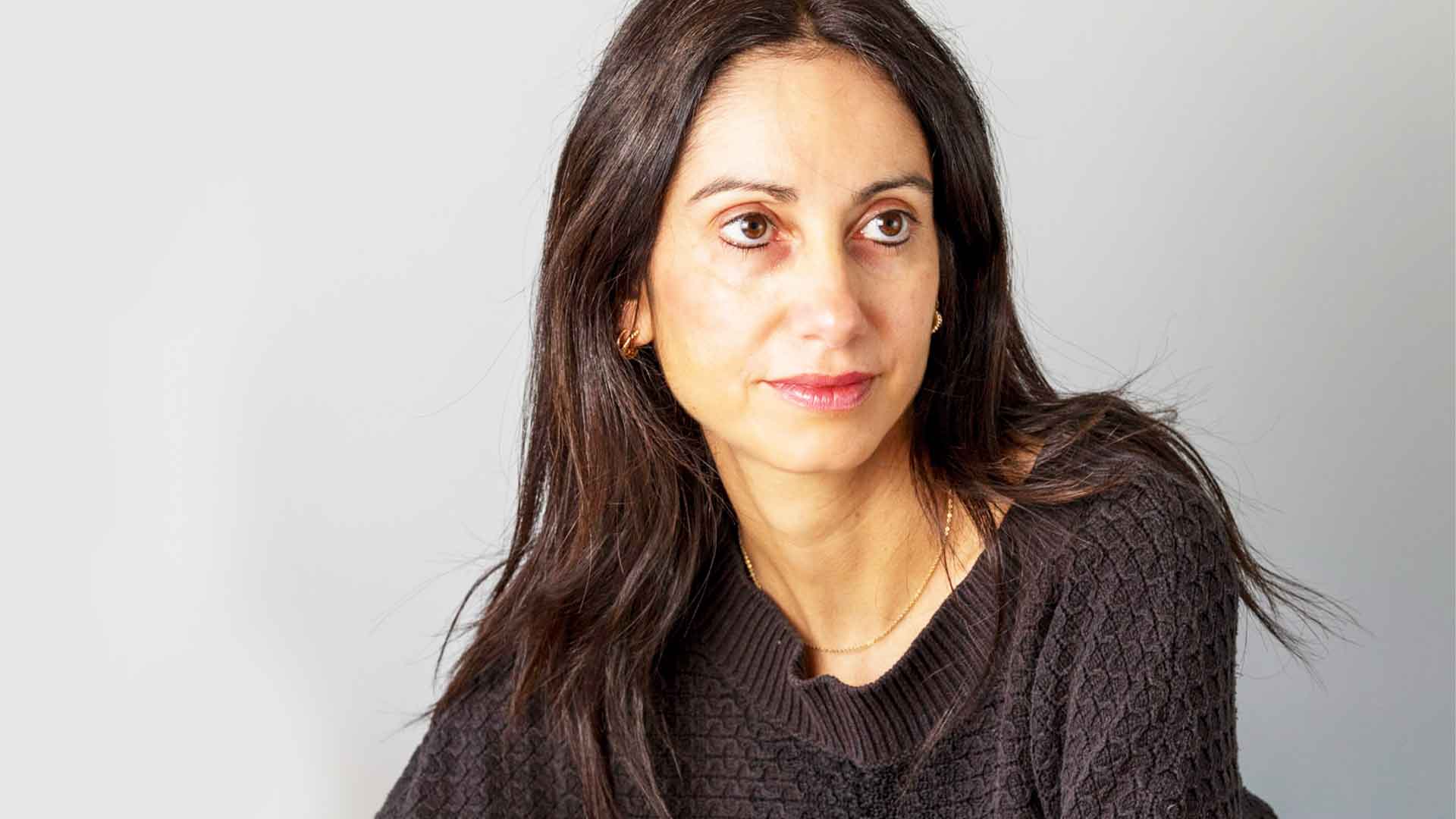


Executive Director of Lev Tov Match, Naomi Goldman, gives us the lowdown on the online matchmaking service for Jewish adults with various disabilities.
Lev Tov Match is a free online platform dedicated to creating connections between Jewish adults with autism, disabilities, and learning difficulties around the world. The initiative is the brainchild of Amanda and Martin Port, who are also campaigners on behalf of adults with disabilities. The couple has seen through their own family the challenges that adults with additional needs face when finding friendships, love, and companionship, which inspired them to create the website.
Having spent time doing outreach work in the Jewish community and with a career background in therapeutic work with children and safeguarding, Naomi Goldman was the perfect person to jump on board with the Lev Tov – which translates from ‘good heart’ in Hebrew – journey: “Finding a companion can be a real problem for Jewish people anyway, but when you’ve got additional needs – whether that’s a physical disability, mental health issue, or neurodiversity – it makes it doubly hard. You don’t need to have be diagnosed to apply to Lev Tov; you can be self-diagnosed and just see and feel the world differently.”

The main priority of the website is safety and accessibility for its users, as Naomi explains: “We looked into an app at first, but it didn’t give the personal touch that was needed. We’ve made sure that the website is completely accessible, covering everything from voice to text capabilities to making the forms simple to fill in. We also ask for a reference so I can check that they are who they say they are and if there’s any additional information that I need to know that isn’t on the forms.”
Personalisation is a huge part of Naomi’s role at Lev Tov: “I make connections with the people themselves by chatting to them and really getting a grasp of who they are, what their soul’s like, and what their whole being is like, so that I can make a match accordingly to that as well.”
The application process is easy for all abilities, with extra help on hand if necessary: “You can apply via the website and there are a few simple questions such as name, age, location, etc., then a verification form. Once that’s been filled out, applicants get a match form which asks about religion level; it doesn’t matter what level of observance they follow! We match accordingly to what religious level they want to be matched with, as well as asking about their values and interests to help us find the best match.
“Once they’ve filled in the match form, we get onto matching. We use an algorithm set up by Israeli-based Johnathan Kramer for some matches, but sometimes it’s really obvious and we don’t need to use it. Once I’ve found a match, I contact each of the individuals separately to tell them about their match. If they like the sound of what they hear, I organise a Zoom meeting with them both to meet each other and offer any support that they’d like.
“Their level of need depends on how involved I get in that conversation. Sometimes I’ll navigate the conversation more heavily – it’s a really personalised service. Once they’ve met online, if they don’t want to see each other again, I’ll tell the other person for them, so there’s no embarrassment or awkwardness for them.
“If they decide to exchange numbers and communicate out of the Lev Tov remit, we back off and they then navigate that themselves. We’re always there at the end of the phone, but we haven’t got capacity to chaperone or to do long-term support. We’re always on hand for queries or if they just want some advice.”
Since launching earlier this year, Lev Tov has received many positive reactions from its users and their loved ones: “We’ve been blown away by the support and the feedback has been brilliant. One parent was extremely anxious when his son started his Lev Tov journey, so I had to reassure him that it’s a slow and careful process. I recently had a message from him thanking me for everything that we’ve done. This is why it’s more than just matching somebody, it’s really getting to know them and the families!”