

Celebrate National Prosecco Day on 13th August by raising a glass and uncovering the story behind prosecco, a true favourite in the world of bubbles.
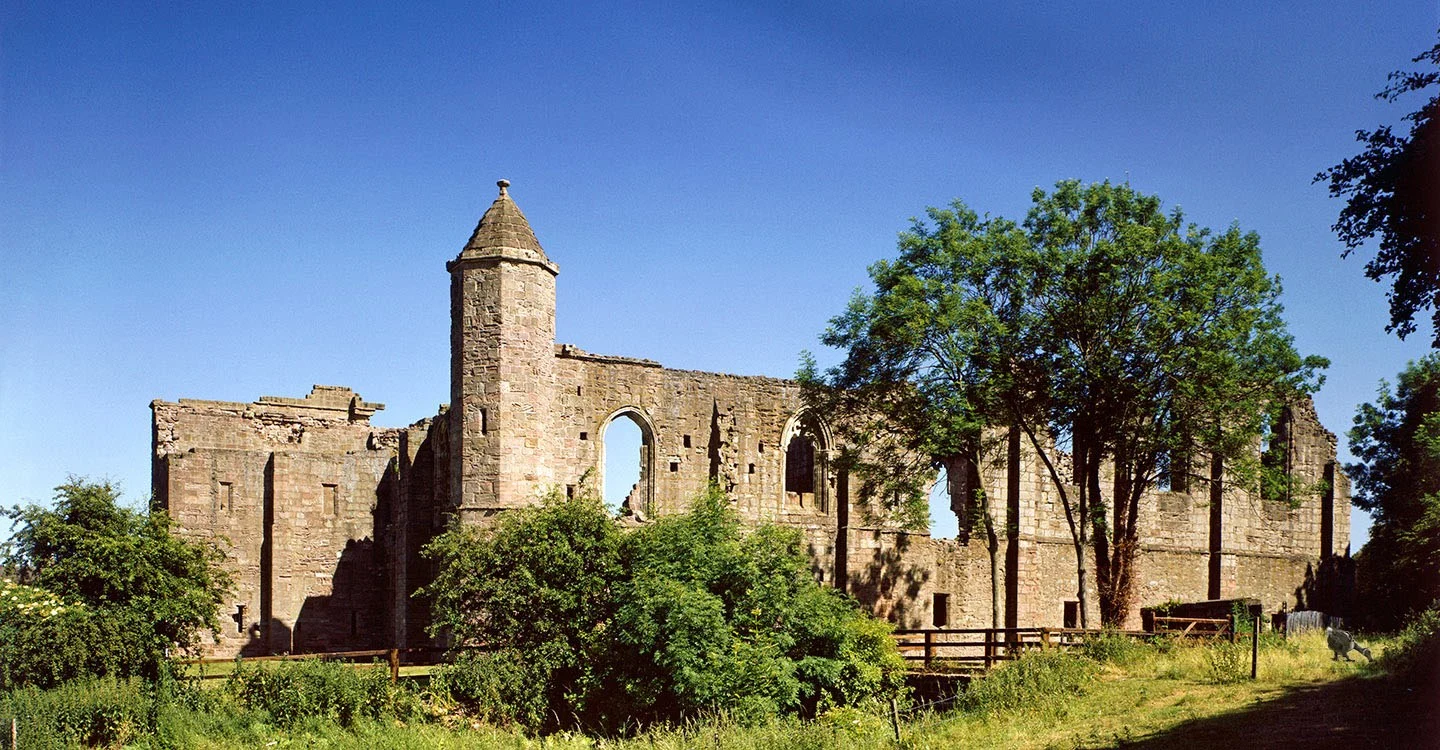
In the picturesque hills of Conegliano Valdobbiadene, a charming region tucked away in Northeast Italy’s Veneto, is a a small town near Trieste, which gives its name to the wine and to the castle of the same name, where the wine was first produced. The star of the show is a zesty, green-skinned grape now known as Glera. But that wasn’t always the case; for centuries, both the grape and the wine shared the name prosecco, until 2009, when a surge of international interest prompted Italy to protect its beloved sparkler. The grape was officially renamed Glera, preserving Prosecco as a place-based name, just like the French do with Champagne.
Glera is believed to have originated in Slovenia but has found a permanent home in the village of Prosecco near Trieste. The grape’s legacy stretches back even before the Romans arrived, weaving itself into the fabric of local culture, commerce, and celebration for over a thousand years.




This ancient grape might have also been the source of the legendary Roman wine, Pucino. Legend has it that Emperor Augustus’ wife, Livia, supposedly credited her long life to this magical elixir, claiming: “No other wine is such a potent medicine.” Even further back, Pliny the Elder ranked Pucino among the top wines of Roman nobility in 79AD, stating it would bring health and longevity to those lucky enough to sip it so next time you pop a bottle of prosecco, remember that you’re toasting to a thousand years of history, culture, and a grape that just might be the secret to eternal youth!
Ever wondered how this sparkling marvel comes to life? It all starts in the scenic hills of Conegliano Valdobbiadene, where the unique landscape and rich soil provide the perfect home for the Glera grape. Glera is a fragile grape with a very thin skin, so the harvest is done with great care and mostly by hand typically in September when they’ve reached ideal ripeness.
Once picked, the grapes are gently pressed to extract the juice, which is then left to settle in cool steel tanks which helps preserve the fresh, fruity qualities of the grape. After that, the juice begins its first fermentation, where natural yeasts turn it into what’s called the ‘base wine’. The wine is then tasted and blended before beginning a second fermentation.
This next stage, known as the sparkling process, gives prosecco its signature bubbles. Using the Charmat method, the base wine is placed in pressurised steel tanks, where selected yeasts help create carbon dioxide naturally. This phase can last anywhere from a month to six months, depending on how long it takes for the sugars to fully transform into alcohol and bubbles.
Finally, the prosecco is bottled around March or April to take advantage of cooler spring temperatures. Before hitting the shelves, each bottle must pass strict quality checks to earn the DOC or DOCG certification, giving consumers confidence in both its origin and excellence.
The UK is the second biggest consumer of prosecco after Italy so to enjoy a nice, chilled glass as the Italians do, skip the flute or the retro coupe and serve it in a diamond-shaped glass with a long stem. Apparently the wider middle lets those fruity aromas bloom beautifully, while the narrow top keeps the bubbles lively. Pour just to the glass’s widest point to preserve the fizz and let the scent shine.
So, enjoy it as an aperitivo with snacks like olives, nuts, or charcuterie or you can create a spritz, a refreshing cocktail made with prosecco, an Italian bitter liqueur (like Aperol or Campari), and a splash of soda water. Buon appetito!